
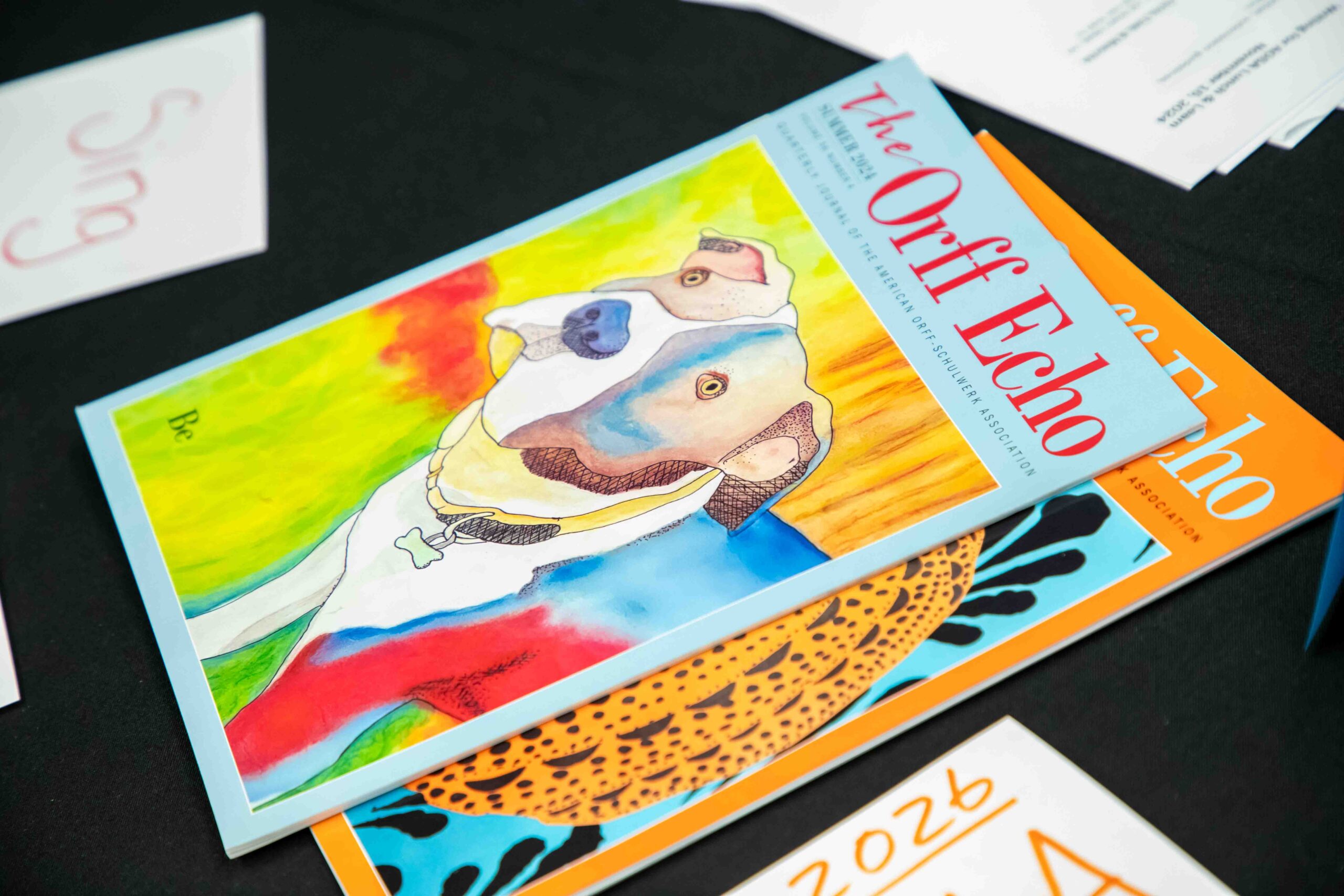
The Orff Echo is the national, peer-reviewed quarterly journal and philosophical voice of the American Orff-Schulwerk Association. Our mission is to demonstrate the value of Orff Schulwerk and promote its widespread use; to support the professional development of our members; and to inspire and advocate for the creative potential of all learners. Non-members may contact the editor for information.
Interested in writing for The Orff Echo? Check out how to get involved in the process:
Extensions to articles published in The Orff Echo can be found in the AOSA Resource Library.

List of Orff Echo Articles
The Rest is Noise: Listening to the Twentieth Century
Professional Development Book Review: This book is exhaustive and informative enough to be used as a text for a college course on twentieth-century music, yet it is engaging enough to be enjoyed by anyone with an interest in the destructive and redemptive nature of the music and history of the twentieth century.
Teaching Classical Music as a Dynamic and Multifaceted Art
Bringing classical music as a living art to students prepares them to know works deeply and well, to build understanding of the ways that musical forms work, and to instill the desire for further experiences.
Memorable Journeys
Once teachers have identified the art music to present, the Orff process — imitation, exploration, and improvisation — provides a solid framework for a memorable journey.
Classical Music Connections
Lesson ideas based on four works of music from the classical repertoire.
Listen to the Music! Popular Music and Active Listening
Using student choice and Billboard rated music, kids learn informal ways to compose and perform through pop genres building connections between music class…and life…and deep listening.
Willing and Able: Equipping Music Educators to Teach with Popular Music
Pre-service teachers learn to use native music, vernacular genres to form “rock bands” and collaborate to “cover” popular songs and compose original works, songwriting and computer-based music.
From Old school to New Schulwerk: Addressing Sound Worlds of Contemporary Popular Music
Classroom music is improved by (1) incorporating popular music recordings; (2) expanding classroom instruments and equipment to include those commonly used in popular music contexts; and (3) re-interpreting folk, classical, and other musics through popular music aesthetics and practices.
What Kids Really love!
Older children use elemental journey and aesthetic decision making to choreograph movement based on contemporary art, performing dances in silence and exploring a wide selection of traditional and contemporary music genres of music to accompany (or not).
Finding Your Groove with popular Music Through Video Game Technology
Rationale, methods and reviews to use video games to teach music.
That’s Jane!
Biography of Jane Frazee and her contributions to AOSA and to Orff pedagogy in the US; includes testimonials from her peers and colleagues.
The Secret History of Rock ’n’ Roll
Professional Development Book Review: The author compares the histories and practices of ancient mystery cults of Greece, Rome, and Egypt and popular rock music and bands to show how elemental music serves the deepest elements of our humanity.
Adolescents, Music, and Music Therapy: Methods and Techniques for Clinicians, Educators, and Students
Professional Development Book Review: Use music therapy strategies to engage adolescents. Suggestions include: group song writing; sing-a-longs; survey of students about preferred music.
Hip Hop Dog
Children’s Book Review: An empowering story of an inner-city “under-dog” who finds his voice and self-worth through rap and hip-hop. The author’s language play and musical phrasing invite students to join the scene and create their own rhythmic raps.
Jazz History in the Classroom
Goodkin writes about the perfect marriage of jazz and Orff Schulwerk.
Nurturing Listening Skills and Creativity: Jazz in the Orff Classroom
McCord discusses the similarities of the Schulwerk and jazz and talks about her work with children in a lab school at Illinois State University.
The Magic of Arrangements: Orff and Jazz
This article discusses ways to create jazz arrangements that are aligned with the Orff approach.